
Why You Should Choose Astaxanthin Over Beta Carotene

A carotenoid tan is a gentle, warm skin tint that develops as dietary carotenoids accumulate in skin tissues. Astaxanthin provides a safer route to this sunless glow for many people, while avoiding several risks tied to older, high-dose carotenoid supplements. This article walks you through how astaxanthin creates a natural-looking tint, compares its antioxidant and UV-protective actions with beta carotene, and gives clear, practical guidance for safe supplementation. You’ll learn the biological reasons astaxanthin is often preferred, the specific concerns linked to beta carotene in certain groups, and which partners—like lycopene—work well together. We also highlight product-level guidance and an applied example: ChUV tanning gummies formulated with astaxanthin and lycopene, shown where helpful to point you toward a safer, sunless tanning routine. Sections cover direct comparisons, protection mechanisms, ingredient benefits, and straightforward recommendations for natural, safer tanning.
What Are the Key Differences Between Astaxanthin and Beta Carotene for Tanning?
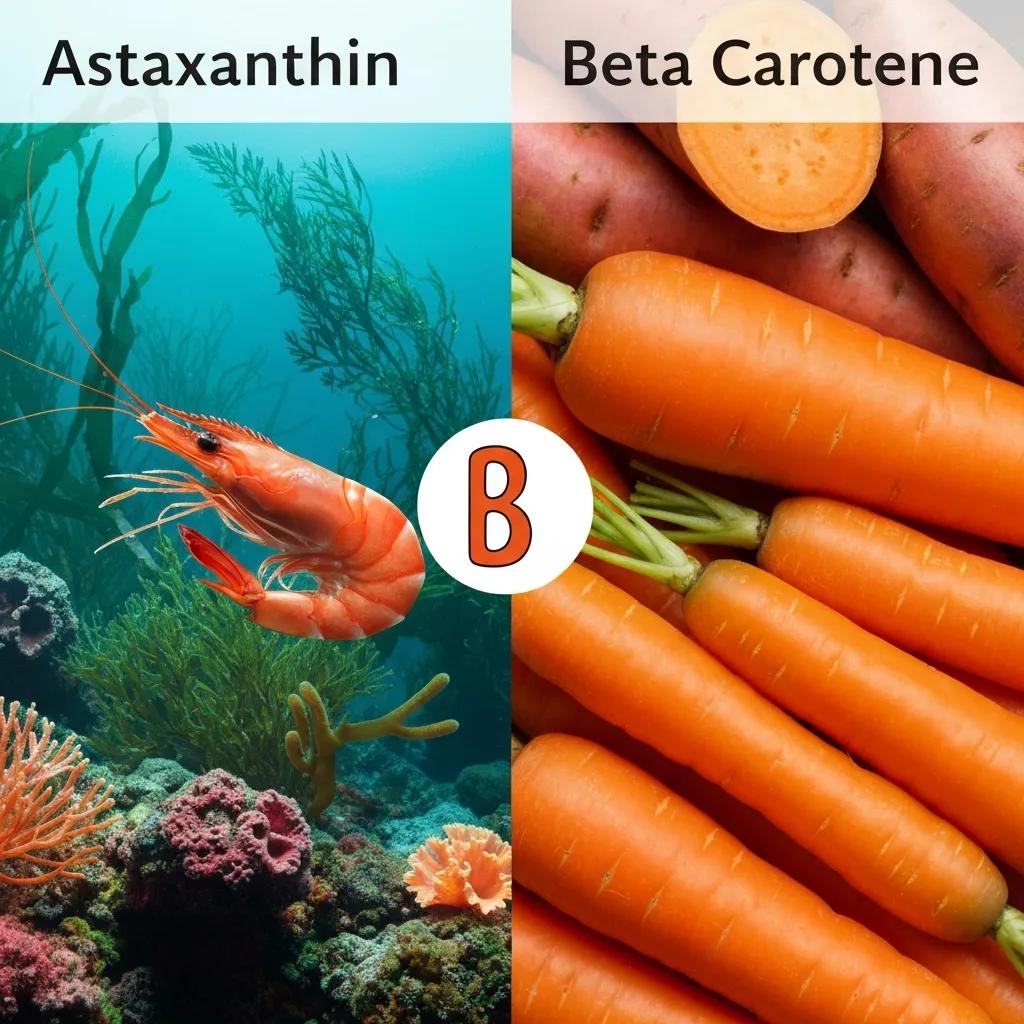
Both astaxanthin and beta carotene belong to the carotenoid family, but they behave differently in the body — from how they tint skin to how they act as antioxidants and their safety records. Astaxanthin tends to lodge in skin lipids and cell membranes, delivering strong antioxidant and anti-inflammatory support that helps preserve cellular integrity. Beta carotene, by contrast, serves as a vitamin A precursor, deposits differently, and at high doses has shown risks for specific populations. Knowing these differences explains why astaxanthin can give a subtle, protective carotenoid tint while minimizing some dose-related concerns tied to beta carotene. The table below highlights mechanisms, antioxidant strength, UV-related effects, and common safety points for an at-a-glance comparison before we dive deeper.
| Compound | How It Tints | Antioxidant Strength | Safety Notes |
|---|---|---|---|
| Astaxanthin | Builds up in skin lipids and membranes, creating a warm, subtle tint | High — strong membrane-stabilizing antioxidant | Well tolerated in studied doses; fewer high-dose safety signals |
| Beta Carotene | Accumulates in skin and fat stores; can convert to vitamin A | Moderate — pro-vitamin A activity | High-dose use linked to risks in smokers and some groups |
| Lycopene (comparator) | Collects in skin and adds a red tone; pairs well with astaxanthin | Strong — effective at quenching singlet oxygen | Generally well tolerated; useful as a complementary ingredient |
The table underscores astaxanthin’s higher antioxidant strength and membrane-focused action as key factors that support a safer carotenoid tan. Next we’ll look at how those mechanisms translate into practical skin protection.
How Does Astaxanthin Support Safer, Natural Tanning?
Astaxanthin supports a safer carotenoid tan by settling into skin lipids and stabilizing cell membranes while neutralizing reactive oxygen species produced by UV exposure. Because it localizes at membranes, it helps reduce oxidative stress in skin cells and quiet inflammatory responses that can worsen sun damage and lead to uneven pigmentation. Expect a gradual, subtle warm tint to appear over weeks of consistent use rather than an instant color change; many people also notice reduced redness and improved skin resilience over time. These effects make astaxanthin a practical oral sunless tanning option that prioritizes skin protection alongside cosmetic tinting.
What Risks Are Associated with Beta Carotene Supplements?
Beta carotene supplements have documented risks when used at high doses or by certain groups — most notably smokers and people with specific occupational exposures — where long-term, high-dose trials reported worse outcomes. Because beta carotene is a pro-vitamin A, excessive intake can disturb nutrient balance or interact with other metabolic pathways, and dose-related photosensitivity or skin changes have been noted in some contexts. For anyone pursuing a safe carotenoid tan, these population-specific signals support choosing alternatives with stronger antioxidant profiles and fewer dose-dependent concerns. For convenience and safety, consider astaxanthin and lycopene, and — if you prefer a formulated option — ChUV tanning gummies as a practical applied choice.
Why Is Astaxanthin Considered a Safer Alternative for Tanning?
Astaxanthin is often seen as safer for sunless tanning because it combines potent antioxidant activity with membrane protection and a lower incidence of population-specific harms compared with historical high-dose beta carotene trials. It neutralizes a range of reactive oxygen species and reduces inflammation, which translates to less UV-induced redness and better preservation of collagen and skin structure. Clinical studies also suggest astaxanthin can support barrier function and may improve hydration and elasticity over time when taken consistently — delivering both cosmetic and protective benefits. For richer tint quality and broader photoprotection, astaxanthin is commonly paired with complementary carotenoids like lycopene.
Clinical research shows astaxanthin can help protect skin from UV-related damage and age-related changes.
Protective Effects of Astaxanthin Against Skin Deterioration and Aging
SUMMARY: Astaxanthin is a carotenoid with notable antioxidant and anti-inflammatory activity. In lab tests, astaxanthin reduced UVB-triggered inflammatory cytokine release from keratinocytes and lowered matrix metalloproteinase-1 secretion from fibroblasts exposed to UVB-conditioned keratinocyte medium. A 16-week clinical trial with 65 healthy women gave participants either 6 mg, 12 mg of astaxanthin, or a placebo. Over that period, wrinkle metrics and skin moisture worsened in the placebo group but remained stable in the astaxanthin groups. Interleukin‑1α in the stratum corneum rose in the placebo and low-dose groups but not in the higher-dose group between weeks 0 and 16. These findings support astaxanthin’s role in protecting skin structure and inflammation-related markers. Protective effects of astaxanthin on skin deterioration, 2017
Key safety advantages of astaxanthin include:
- Stronger antioxidant activity: Astaxanthin scavenges a wide range of reactive species more effectively than many carotenoids.
- Membrane stabilization: It embeds in lipid bilayers to help protect cells under oxidative stress.
- Fewer high‑dose safety signals: Clinical and population data have shown fewer adverse outcomes compared with historic high‑dose beta carotene studies.
Those strengths help explain why astaxanthin is increasingly recommended for safer oral tanning strategies and for supporting skin health beyond simple color change.
How Does Astaxanthin Protect Skin from UV Damage?
Astaxanthin protects skin largely by neutralizing reactive oxygen species (ROS) and dampening inflammatory signaling, which reduces UV-driven lipid peroxidation and cellular injury. By helping to stabilize cell membranes, it supports keratinocyte and fibroblast function, aids collagen preservation, and lessens the signals that lead to redness and sunburn. The practical outcome is less acute photodamage and faster recovery after incidental UV exposure — a complement to, not a replacement for, topical sun protection. That combination of protection and tinting makes astaxanthin a valuable tool in sunless tanning routines that care for both appearance and skin health.
What Are the Health Benefits of Using Astaxanthin for Tanning?
Beyond tinting, astaxanthin can reduce markers of oxidative aging, improve skin elasticity, and support hydration and texture with ongoing use. These effects likely come from antioxidant protection of dermal proteins and lower activity of enzymes that break down collagen. Pairing astaxanthin with antioxidants like lycopene broadens photoprotective coverage and can help even out pigmentation. For users, that translates to a gradual carotenoid tan plus visible improvements in skin resilience and overall appearance.

Meet ChUV
The tanning gummy the article is about.
One daily gummy. Warm, natural tone in weeks. No UV, no beta carotene, no gimmicks.
- Clinical doses of astaxanthin + lycopene
- Visible warmth by week 3-4, peak at week 8
- Vegan, non-GMO, made in the USA
What Are the Benefits of Using Chuv Tanning Gummies with Astaxanthin?
A gummy that combines astaxanthin, lycopene, and supporting antioxidants offers convenience, pleasant taste, and ingredient synergy to help people stick to a safer oral tanning routine. ChUV tanning gummies pair astaxanthin and lycopene with co-antioxidants to encourage an even carotenoid tint while supporting skin protection and daily compliance. Formulation choices — consistent dosing, lipid-friendly carriers for better absorption, and an enjoyable format — turn laboratory advantages into a simple daily habit. If you want a practical way to develop a protective carotenoid tint, the message is straightforward: prioritize astaxanthin and lycopene, and consider ChUV tanning gummies to get started.
| Ingredient | Role in ChUV Gummies | Direct Benefit |
|---|---|---|
| Astaxanthin | Primary pigment and membrane antioxidant | Gives a warm, subtle tint and lowers oxidative stress in skin |
| Lycopene | Complementary carotenoid that quenches singlet oxygen | Boosts reddish tone and widens photoprotective coverage |
These ingredient roles show how targeted formulation converts molecular action into tangible user benefits: better tint quality, added skin protection, and easier adherence. The gummy format encourages routine use, which is essential for steady carotenoid deposition and gradual tint development.
Which Natural Ingredients Enhance Safe Tanning in Chuv Gummies?
ChUV gummies center on astaxanthin for pigment and membrane protection, lycopene to deepen the hue and quench singlet oxygen, and supporting antioxidants to stabilize the blend and aid skin repair. Each ingredient fills a clear mechanistic role: astaxanthin shields membranes and adds warmth to skin tone; lycopene brings red‑orange notes and expands antioxidant coverage; and co-antioxidants keep the mix active and help recovery pathways. Together they promote a consistent, subtle carotenoid tan while reducing oxidative stress that can cause uneven pigmentation and photodamage. The end result is a natural-tint approach that values safety and skin health as much as the cosmetic outcome.
Ingredients and roles in ChUV gummies:
- Astaxanthin: Main tinting agent and membrane antioxidant — warm hue and photoprotective effects.
- Lycopene: Color complement and singlet-oxygen quencher for broader protection.
- Supporting antioxidants: Maintain ingredient activity and support skin repair.
Those choices make ChUV gummies a focused option for consumers seeking a safer, oral sunless tanning solution.
How Do ChUV Gummies Improve the Tanning Experience Compared to Beta Carotene?
ChUV gummies replace a single, high-dose carotenoid strategy with a balanced, lower-risk formulation that emphasizes antioxidant variety and user-friendliness. This approach reduces the risk of dose-related issues tied to beta carotene while improving adherence through flavor and simple daily ritual — both important for steady skin deposition. Compared directly, ChUV’s multi-ingredient formula aims for subtler, more even color plus skin benefits like reduced redness and improved resilience. For many users, the combined safety and convenience make a well-formulated gummy a practical alternative to older beta carotene supplements.
What Are the Dangers of Beta Carotene Supplements in Tanning?
Using beta carotene for tanning can carry dose-dependent risks and specific harms for certain groups, especially at high doses or with long-term use. Historical trials reported worse outcomes in smokers who took high-dose beta carotene, emphasizing the need to choose safer carotenoids and sensible dosing. Other concerns include photosensitivity, nutrient interactions, and unpredictable pigment results when relying solely on beta carotene. Safer routes include astaxanthin and lycopene taken orally, or topical sunless tanners for immediate color without systemic exposure.
How Can Beta Carotene Increase Skin Sensitivity and Health Risks?
Beta carotene’s pro-vitamin A activity and metabolic processing can interact with oxidative pathways linked to smoking and other exposures, and in some trials high-dose supplementation correlated with worse outcomes. This shows that carotenoids are not interchangeable: biochemical context matters. For people who smoke, have certain occupational exposures, or use interacting medications, carotenoids with stronger direct antioxidant action and lower pro-vitamin A activity are preferable. Being aware of these scenarios helps people choose a safer approach to oral carotenoid tanning.
What Are Safer Alternatives to Beta Carotene for Tanning?
Safer alternatives include oral astaxanthin and lycopene, plus topical sunless tanners when immediate color is desired without systemic exposure. Astaxanthin provides membrane-focused antioxidant protection and a subtle warm tint; lycopene complements color and extends photoprotective effects. Both have fewer documented high-dose risks in general populations compared with past beta carotene trials. Topical sunless tanners remain a dependable option when cosmetic color is the primary goal and you want to avoid systemic supplementation. For a convenient oral choice that prioritizes safety and skin health, consider astaxanthin and lycopene — and try ChUV tanning gummies if you want a practical place to start.
- Overview — safer alternatives:
- Astaxanthin (oral): Potent antioxidant, membrane protection, gentle warm tint.
- Lycopene (oral): Complementary pigment and singlet-oxygen quencher for UV support.
- Topical sunless tanners: Instant color with no systemic exposure.
These options offer realistic paths to a carotenoid tan while minimizing the historical risks associated with high-dose beta carotene. If you’re ready to try a formulated, user-friendly approach, ChUV tanning gummies combine astaxanthin and lycopene to prioritize both safety and appearance.
The Timeline
Watch the glow build.
Scrub through eight weeks on ChUV. Pigment saturation, biology, and the moment the shift becomes visible, week by week.
Serum carotenoid levels rising. Antioxidant activity active.
The carotenoids load.
Astaxanthin and lycopene enter systemic circulation and begin to deposit in dermal tissue. You will not see the shift yet. The biology is running underneath.
11mg
Astaxanthin daily
5.5mg
Lycopene daily
7days
Consistent dosing
Built around the clinical-study window. The shift is gradual on purpose: the color reads natural because it builds like a real tan.
4.8/5 from 2,300+ reviews
What customers actually say.
Questions, answered
FAQ
How long before I see results?
Most people notice a warm tone by week 3-4, with full results at 8 weeks on one gummy daily.
Do tanning gummies actually work?
Yes. Carotenoid pigmentation is a well-documented pathway. ChUV uses astaxanthin and lycopene, both clinically studied for skin coloration.
Will ChUV turn me orange?
No. ChUV uses astaxanthin and lycopene at measured doses for a natural warm tone. Beta carotene is the ingredient that causes orange discoloration, and we refuse to use it.
Does ChUV replace sunscreen?
Astaxanthin offers real internal photoprotection by neutralizing UV-induced free radicals at the cellular level. For prolonged outdoor exposure, pair ChUV with topical SPF. Think of them as complementary.
What if I don't tan?
You don't need the sun to tan with ChUV. Carotenoid pigmentation deposits astaxanthin and lycopene directly into dermal tissue, producing a warm tone without UV. Sun exposure makes the effect richer. Astaxanthin and lycopene are photoprotective antioxidants, so pairing ChUV with moderate sun yields a deeper, more saturated tan than either alone.
Is ChUV safe to take daily?
Yes. ChUV is made in a GMP-certified facility in the USA, contains no artificial dyes, and is formulated at doses supported by clinical literature.
Can I take ChUV with other supplements?
Generally yes. Astaxanthin and lycopene are fat-soluble, so take ChUV with a meal that contains some healthy fat for best absorption.
How is ChUV different from other tanning supplements?
Most tanning gummies rely on beta carotene, which produces an unnatural orange cast at supplement doses. ChUV stacks clinically-studied astaxanthin and lycopene for a natural warm tone.
Does ChUV contain allergens?
ChUV is vegan, non-GMO, gluten-free, and free of the major allergens. See the full supplement facts panel on the product page.
How does shipping work?
Subscriptions ship free. One-time orders ship at standard domestic rates. Orders leave our fulfillment facility within 1 to 2 business days.
When should I expect to see results?
Most people see a first noticeable warmth in weeks 3-4 and full tone expression by week 6-8. Carotenoid pigmentation is cumulative, so consistent daily use matters more than dose stacking.
Do I need to keep taking ChUV to keep my color?
Yes. Carotenoid accumulation is gradual, and so is the fade. Daily use keeps your tone consistent.
Ready to start?
One gummy a day. Four weeks to visible warmth.
Join thousands already building their glow with ChUV. Subscribe and save 10%, skip or cancel anytime.