
Transform Your Skin Health with Astaxanthin Benefits

Astaxanthin is a red‑orange carotenoid found in microalgae and seafood with powerful antioxidant activity. Research shows it supports measurable improvements in skin health and offers systemic photoprotective benefits. In this guide we explain what astaxanthin does, how its antioxidant and membrane‑stabilizing actions help maintain elasticity and hydration, and why it can complement topical sun care to reduce UV‑driven oxidative damage. You’ll find a summary of clinical skin outcomes, comparisons with other antioxidants used in skincare, and practical ways to use oral astaxanthin to build a natural carotenoid glow. We cover mechanisms (free‑radical neutralization, collagen and elastin protection), summarized evidence on Minimal Erythema Dose (MED), comparisons with vitamin C and beta‑carotene, and realistic timelines for visible results. Related nutrients such as lycopene, biotin, L‑glutamine, collagen, elastin, and transepidermal water loss are referenced to give a clear picture of astaxanthin’s role in skin biology.
What Are the Key Skin Benefits of Astaxanthin?
Astaxanthin helps skin mainly through antioxidant defense, membrane protection, and modulation of inflammatory processes—actions that together preserve structural proteins and the skin barrier. By neutralizing free radicals generated by UV exposure and normal metabolism, it helps reduce oxidative breakdown of collagen and elastin. The practical outcome is better elasticity, improved moisture retention, smoother texture, and fewer visible fine lines over weeks to months. Below is a concise list of the primary skin outcomes linked to astaxanthin for quick reference.
Astaxanthin supports several distinct skin benefits:
- Antioxidant Protection: Scavenges free radicals that can damage collagen and elastin.
- Improved Elasticity: Helps preserve connective tissue structure for firmer skin.
- Enhanced Hydration: Supports the barrier to reduce transepidermal water loss and retain moisture.
- Smoother Texture & Reduced Fine Lines: Gradual improvements in wrinkle appearance and skin tone with sustained use.
These benefits reflect mechanisms that protect structural proteins and barrier function. The table below summarizes each compound’s action, the evidence level, and realistic timelines for seeing results.
| Compound | Mechanism | Evidence Level | Expected Timeline |
|---|---|---|---|
| Astaxanthin | Potent antioxidant; protects lipid membranes and proteins | Moderate–High — human trials report MED and elasticity gains | 4–12 weeks for hydration/elasticity; 8–12+ weeks for texture and wrinkle changes |
| Lycopene | Carotenoid antioxidant that complements lipid‑phase protection | Moderate — supportive effects in carotenoid blends | Gradual accumulation; several weeks for pigment/protection effects |
| Biotin | Supports epidermal health and keratin function | Low–Moderate — nutritional support for barrier function | Weeks to notice barrier and strength improvements |
This table clarifies how astaxanthin and related ingredients act at the molecular level and what users can reasonably expect in timing and evidence. The next section explains how gains in elasticity and hydration translate to visible results.
How Does Astaxanthin Improve Skin Elasticity and Hydration?
Astaxanthin helps preserve elasticity and boost hydration by protecting collagen and elastin from oxidative damage and by supporting lipid membrane integrity, which lowers transepidermal water loss. Its antioxidant activity preserves the extracellular matrix and helps maintain normal collagen cross‑linking, which supports firmness. Clinical studies report measurable increases in skin elasticity and moisture after daily oral supplementation, typically within one to three months. Consistent dosing and pairing astaxanthin with hydration‑supporting nutrients like biotin may help accelerate visible improvements.
A clinical study showed astaxanthin reduced skin deterioration and UV damage by lowering inflammation and helping the skin retain moisture.
Anti‑inflammatory Effects of Astaxanthin on Skin Deterioration and UV Damage
Astaxanthin is a carotenoid with strong antioxidant and anti‑inflammatory properties. To test its effect on skin deterioration, researchers studied epidermal‑dermal interactions in vitro and found that astaxanthin suppressed UVB‑induced inflammatory cytokine release from keratinocytes and reduced MMP‑1 secretion from fibroblasts exposed to UVB‑irradiated keratinocyte medium. These findings were followed by a 16‑week clinical study with 65 healthy female participants who took either 6 mg or 12 mg astaxanthin daily or a placebo. After 16 weeks, wrinkle measures and skin moisture significantly worsened in the placebo group but did not change significantly in the astaxanthin groups. Interleukin‑1α in the stratum corneum rose in the placebo and low‑dose groups but not in the high‑dose group between baseline and week 16.
Protective effects of astaxanthin on skin deterioration, 2017
Can Astaxanthin Reduce Wrinkles and Signs of Aging?
Astaxanthin can help reduce the visible signs of aging by limiting oxidative damage to dermal proteins and supporting skin repair processes, which improves texture and smoothness. Human trials report reductions in wrinkle depth and better skin tone with ongoing supplementation, with most changes appearing after about 8–12 weeks. The biological rationale is protection of collagen from reactive oxygen species and lowered matrix metalloproteinase activity, which preserves connective tissue. For the best anti‑aging outcomes, use astaxanthin alongside sun protection and complementary nutrients.
How Does Astaxanthin Protect Your Skin from UV Damage?
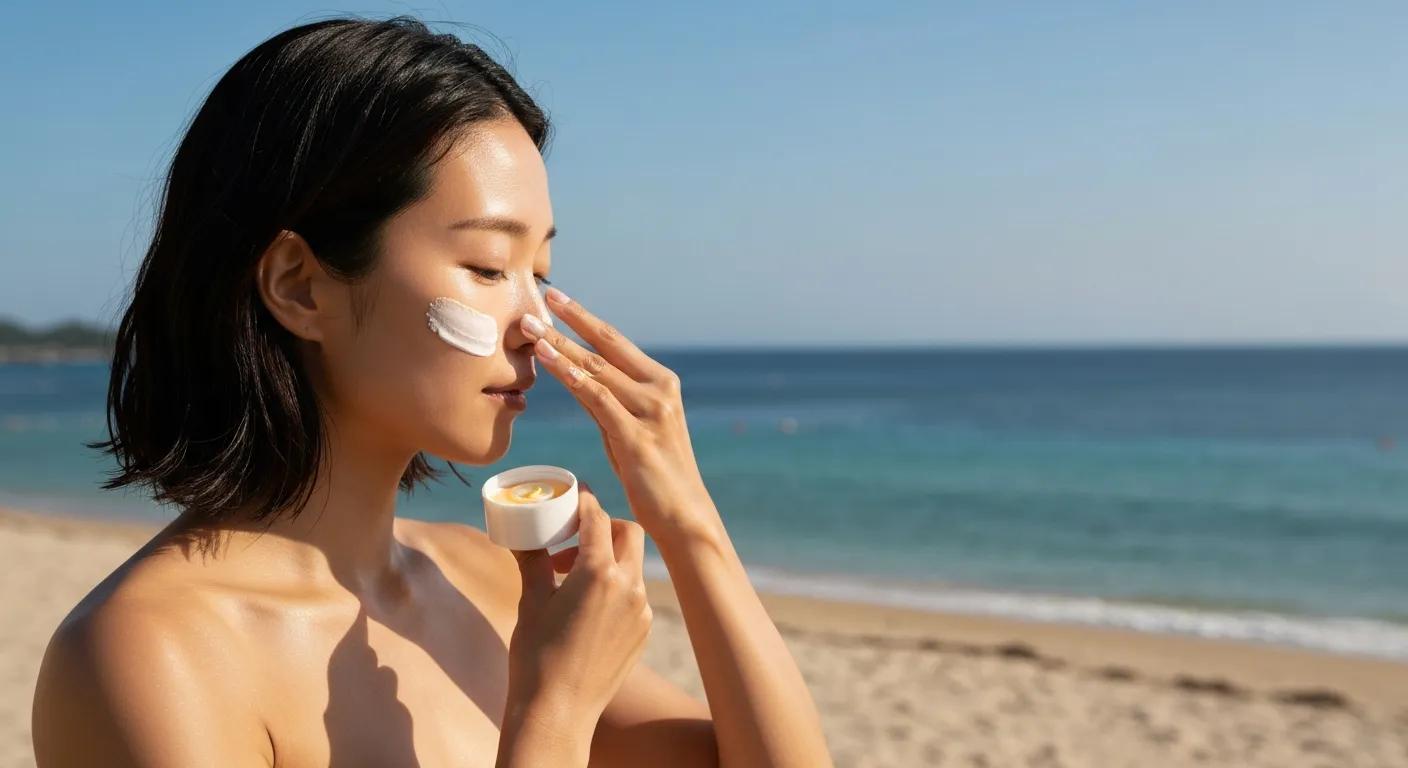
Astaxanthin defends skin from UV damage mainly by neutralizing UV‑generated reactive oxygen species and stabilizing lipid membranes, which reduces downstream inflammation and cell injury. Trials have linked supplementation with increases in Minimal Erythema Dose (MED), meaning skin tolerates more UV before reddening. It’s important to remember astaxanthin is a systemic adjunct to topical sunscreen—not a replacement. The list below summarizes core photoprotective effects seen in studies.
- Increased MED: A higher UV threshold before erythema develops.
- Lower Inflammatory Markers: Reduced cytokine responses after UV exposure.
- Less Oxidative Damage: Fewer markers of DNA and protein photo‑damage in skin samples.
These systemic benefits support safer sun exposure habits and work together with topical sun protection, which remains essential.
What Is the Role of Astaxanthin as a Natural Antioxidant Against Sun Damage?
Astaxanthin intercepts singlet oxygen and other reactive species formed during UV exposure, protecting lipids, proteins, and DNA from oxidative change that leads to photodamage. Because it localizes in cell membranes, astaxanthin is particularly effective at preventing lipid peroxidation and maintaining barrier function. Recent studies show improved MED and reduced erythema severity with regular supplementation, supporting its use as a dietary photoprotectant. Users should continue to combine astaxanthin with SPF for layered protection.
How Does Astaxanthin Help Prevent Sunburn and Photodamage?
Daily astaxanthin intake raises the skin’s oxidative threshold and tones down UV‑triggered inflammation, which can lower sunburn severity and reduce biomarkers of photodamage in clinical tests. By limiting oxidative stress that leads to cell apoptosis and extracellular matrix breakdown, astaxanthin helps protect skin structure after UV exposure. Practical advice: maintain consistent daily supplementation and keep following sun‑safety behaviors—oral antioxidants help, but they don’t replace sunscreen or physical protection.

Meet ChUV
The tanning gummy the article is about.
One daily gummy. Warm, natural tone in weeks. No UV, no beta carotene, no gimmicks.
- Clinical doses of astaxanthin + lycopene
- Visible warmth by week 3-4, peak at week 8
- Vegan, non-GMO, made in the USA
How Does Astaxanthin Compare to Other Antioxidants for Skin Health?
Astaxanthin is often described as a membrane‑focused antioxidant with strong potency in lipid environments compared with many water‑soluble antioxidants. Versus vitamin C—which works in aqueous compartments and supports collagen synthesis—astaxanthin is especially good at preventing lipid peroxidation inside cell membranes. Lycopene and beta‑carotene are complementary carotenoids, but astaxanthin’s structure gives it notable membrane‑stabilizing ability. The table below compares practical antioxidant properties to help guide formulation or supplement choices.
| Antioxidant | Antioxidant Property | Practical Skin Benefit |
|---|---|---|
| Astaxanthin | Lipid‑membrane protection; strong singlet‑oxygen quenching | Supports elasticity, hydration, and increases in MED |
| Vitamin C | Water‑phase antioxidant; cofactor for collagen synthesis | Brightening, collagen support, synergizes well topically |
| Lycopene | Lipid‑soluble carotenoid; complementary antioxidant | Enhances carotenoid pigmentation and photoprotection synergy |
This comparison highlights astaxanthin’s position as a lipid‑phase antioxidant that pairs well with aqueous antioxidants to support broad skin benefits. The next section distills differences between specific antioxidants.
What Are the Differences Between Astaxanthin, Vitamin C, and Beta‑Carotene?
Astaxanthin and vitamin C differ in solubility and mechanism: astaxanthin concentrates in lipid membranes, while vitamin C acts in the cytosol and extracellular fluid and also supports enzymatic collagen formation. Beta‑carotene can act as a provitamin A source in some contexts but has different photoprotective and pigment effects. Astaxanthin’s membrane localization makes it especially useful for preventing lipid peroxidation and supporting barrier integrity. In practice, combining antioxidants with complementary solubility profiles gives broader protection and helps both skin structure and appearance.
Why Is Astaxanthin Considered a Superior Antioxidant for Skin?
Astaxanthin is considered especially effective for certain skin endpoints because its molecular configuration enables efficient quenching of reactive oxygen species within lipid membranes, protecting structural proteins and reducing transepidermal water loss (TEWL). Clinical outcomes—like higher MED, improved elasticity, and increased skin moisture—support its use in topical and oral approaches. The practical takeaway: astaxanthin is a strong option for systemic photoprotection and anti‑aging strategies, particularly when paired with vitamin C or other complementary antioxidants.
How Can You Use Astaxanthin for a Natural, Healthy Glow?

For day‑to‑day use, astaxanthin is most commonly taken orally to support systemic carotenoid deposition and photoprotection; topical options exist, but oral delivery ensures skin accumulation over time. As a convenient oral choice, CAYO Nutraceuticals offers ChUV Tanning Gummies that pair astaxanthin with lycopene and supportive nutrients—an enjoyable, clean‑label way to add these ingredients to your routine. With consistent daily use, carotenoids build up in the skin over weeks; the guidance below outlines practical dosing and timeline expectations.
- Be Consistent: Take a daily astaxanthin supplement to raise skin levels over time.
- Expect Gradual Change: Color and hydration effects typically appear after 4–8 weeks.
- Keep Using Sunscreen: Supplements complement but do not replace topical sun protection.
These steps set realistic expectations for a gradual, natural carotenoid glow and improved skin hydration over time.
What Are the Benefits of ChUV Tanning Gummies with Astaxanthin and Lycopene?
ChUV Tanning Gummies combine astaxanthin with lycopene to support antioxidant protection and a gradual carotenoid‑based tint, while including biotin and L‑glutamine for skin‑supportive nutrition. The product is positioned as a way to encourage a natural, UV‑free bronze over time, alongside antioxidant support, improved hydration and elasticity, and a vegan, non‑GMO, gelatin‑free strawberry gummy that’s easy to take daily. These features reflect the mechanisms and timelines described earlier, offering a practical application of the science.
How Do ChUV Gummies Support Natural Tanning Without UV Exposure?
ChUV Gummies promote a carotenoid tan by supplying pigments like astaxanthin and lycopene that accumulate in the epidermis and subcutaneous layers, creating a warm, carotenoid‑derived color distinct from melanin tanning. With daily intake, pigment deposition builds over several weeks, and visible change is typically noticed in 4–8 weeks depending on baseline carotenoid levels. This carotenoid tint does not provide UV immunity, so continue safe sun practices and sunscreen use. Used as directed, these gummies offer a subtle cosmetic shift together with antioxidant skin support.
The Timeline
Watch the glow build.
Scrub through eight weeks on ChUV. Pigment saturation, biology, and the moment the shift becomes visible, week by week.
Serum carotenoid levels rising. Antioxidant activity active.
The carotenoids load.
Astaxanthin and lycopene enter systemic circulation and begin to deposit in dermal tissue. You will not see the shift yet. The biology is running underneath.
11mg
Astaxanthin daily
5.5mg
Lycopene daily
7days
Consistent dosing
Built around the clinical-study window. The shift is gradual on purpose: the color reads natural because it builds like a real tan.
4.8/5 from 2,300+ reviews
What customers actually say.
Questions, answered
FAQ
How long before I see results?
Most people notice a warm tone by week 3-4, with full results at 8 weeks on one gummy daily.
Do tanning gummies actually work?
Yes. Carotenoid pigmentation is a well-documented pathway. ChUV uses astaxanthin and lycopene, both clinically studied for skin coloration.
Will ChUV turn me orange?
No. ChUV uses astaxanthin and lycopene at measured doses for a natural warm tone. Beta carotene is the ingredient that causes orange discoloration, and we refuse to use it.
Does ChUV replace sunscreen?
Astaxanthin offers real internal photoprotection by neutralizing UV-induced free radicals at the cellular level. For prolonged outdoor exposure, pair ChUV with topical SPF. Think of them as complementary.
What if I don't tan?
You don't need the sun to tan with ChUV. Carotenoid pigmentation deposits astaxanthin and lycopene directly into dermal tissue, producing a warm tone without UV. Sun exposure makes the effect richer. Astaxanthin and lycopene are photoprotective antioxidants, so pairing ChUV with moderate sun yields a deeper, more saturated tan than either alone.
Is ChUV safe to take daily?
Yes. ChUV is made in a GMP-certified facility in the USA, contains no artificial dyes, and is formulated at doses supported by clinical literature.
Can I take ChUV with other supplements?
Generally yes. Astaxanthin and lycopene are fat-soluble, so take ChUV with a meal that contains some healthy fat for best absorption.
How is ChUV different from other tanning supplements?
Most tanning gummies rely on beta carotene, which produces an unnatural orange cast at supplement doses. ChUV stacks clinically-studied astaxanthin and lycopene for a natural warm tone.
Does ChUV contain allergens?
ChUV is vegan, non-GMO, gluten-free, and free of the major allergens. See the full supplement facts panel on the product page.
How does shipping work?
Subscriptions ship free. One-time orders ship at standard domestic rates. Orders leave our fulfillment facility within 1 to 2 business days.
When should I expect to see results?
Most people see a first noticeable warmth in weeks 3-4 and full tone expression by week 6-8. Carotenoid pigmentation is cumulative, so consistent daily use matters more than dose stacking.
Do I need to keep taking ChUV to keep my color?
Yes. Carotenoid accumulation is gradual, and so is the fade. Daily use keeps your tone consistent.
Ready to start?
One gummy a day. Four weeks to visible warmth.
Join thousands already building their glow with ChUV. Subscribe and save 10%, skip or cancel anytime.